
Professor Khurshid Ahmad on Diplomacy and Conflict Resolution Among States
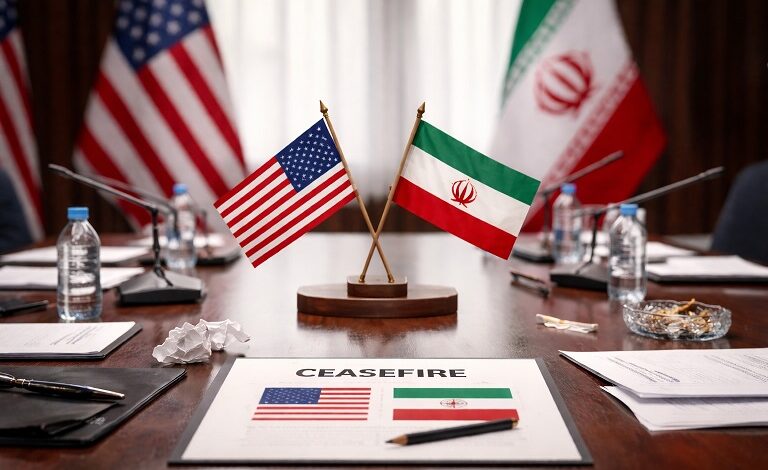
Professor Khurshid Ahmad articulated a vision of diplomacy rooted in justice, equality, and mutual respect among nations. He rejected domination-based politics and emphasized that peace could only be achieved through moral dialogue, equitable cooperation, and recognition of civilizational plurality. His approach to diplomacy was not merely political but ethical and spiritual, grounded in the Qur’anic principle of Salaam (peace) as the natural counterpart to Jihad (struggle for justice).
Respect for Civilizational Pluralism
Khurshid Ahmad’s diplomatic philosophy also rested on recognizing the right of every civilization to live according to its own values. He argued that peace would only be possible when the West abandoned its attitude of superiority and allowed the Muslim world to shape its own destiny.
This vision of pluralistic coexistence rejects cultural imperialism and promotes a world order based on mutual respect, equality, and non-interference — key principles of Islamic diplomacy.
Dialogue and Moral Responsibility
Professor Ahmad consistently called for dialogue between civilizations as the cornerstone of peaceful international relations. He viewed cultural and ideological competition not as a threat but as a “promising area for mankind to learn from each other’s experiences.”
He further argued that the real competition between nations should be in the “field of knowledge, dialogue, and discussion”, not in warfare or domination. For him, diplomacy was an intellectual and moral exercise — a means to elevate humanity through shared values and mutual learning.
Addressing Misunderstandings and Violence
Ahmad also urged Muslim leaders to communicate effectively with the West and to disassociate Islam from acts of violence committed in its name. He believed that peace required both sides to correct misconceptions and engage sincerely:
“To propagate Islam, he believed its leaders would have to be able to communicate with all kinds of people, across a variety of cultures… it would have to convince the West that it should not be blamed for the violence that sometimes was perpetrated in its name.”
This underscores his belief that diplomacy begins with understanding — that dialogue, empathy, and clear communication are essential steps toward resolving global conflicts.
Moral Foundation of Global Peace
Professor Ahmad’s broader vision of diplomacy was inseparable from his moral philosophy. He saw the moral influence of Islam as essential for world stability and peace:
“He also believed that world stability depended on good relations between East and West… with a view to achieving world peace and international amity, mutual relationship among different nations be reconstructed.”
Thus, diplomacy for him was not merely a political tool but a moral reconstruction of international relations, grounded in justice, equality, and the shared pursuit of peace.
Conclusion
In summary, Professor Khurshid Ahmad’s approach to diplomacy and conflict resolution emphasized:
- Negotiation and fair economic cooperation as tools for peace.
- Recognition of civilizational diversity and rejection of cultural domination.
- Dialogue and moral engagement as the foundation of international relations.
- Mutual understanding and communication to dispel misconceptions.
- Moral reconstruction of global order based on justice and equality.
His vision remains profoundly relevant in an age where conflicts often arise from misunderstanding, inequality, and moral decay. For Ahmad, true diplomacy is the art of building peace through justice and respect.