
Human Rights: West Monopoly Must End
United Nations World Conference on Human Rights was held in Vienna on June 14, 1993. Some 160 states and several thousand NGOs attended this conference. This was the second largest meeting of its kind since the Human Rights Summit held in Tehran in 1968. Pakistan delegation was led by the PPP Chairperson Begum Nusrat Bhutto as part of the government-PPP rapprochement.
From Pakistan’s viewpoint, the first major issue was India’s Wanton violation of human rights in Kashmir and its denial to the people of Jammu and Kashmir their right of self-determination. Similarly communal violence against the Muslims in India, racial cleansing in Bosnia and the Balkans, violation of human rights and denial of right of self-determination to the Muslim/Arab people of Palestine, persecution of Muslims in Burma had to be specially highlighted in this conference. Irrespective of results of the conference, the real issue, which deserves to be looked at, is the conceptual aspects of human rights, interpreted and presented in different ways in different parts of the world by the West.
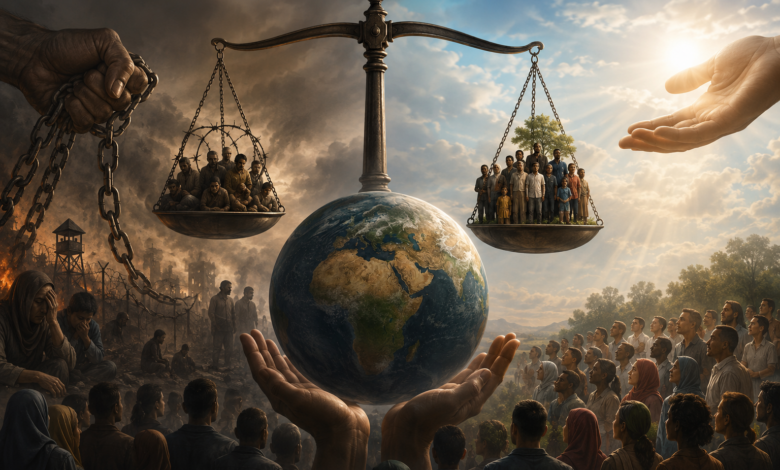
The question of human rights is basically a question that relates to ALL human beings and we as Muslims are equally committed to their fullest protection and promotion. As such the issue is NOT primarily of Western concern. What is important is universal respect for these rights and a non-discriminatory approach to the problem. The attitude of the Western countries, particularly of America and its European allies is selective and highly discriminatory. They are trying to use the stick of human rights to settle political scores and censure whom they treat as ‘baddies’, while conniving at the human rights record of the so-called ‘goodies’. State terror against innocent people and political adversaries is condoned if it takes place in countries that are serving Western interests and only censured if the venue relates to countries treated as unfriendly or even ‘friends’ who are prepared to show some political independence. This duplicity is as great a crime as violation of human rights.
After the end of the Cold War, during which Human Rights issue played an important role in ostracizing some Third World and Muslim countries. This political use of Human Rights is bound to degrade a noble effort to protect humanity from arbitrary use of power.
While there is proper realization of individual human rights, there is no proper realization of group rights, particularly of religious and cultural minorities. The question of the right of self-determination of people still under occupation has also been thrown into backyard for some time. NAM which has been pioneering this right for decades and which affirmed the right of a people to seek liberation from arbitrary rule is now back-tracking on the right of the people of Jammu and Kashmir, Palestine, Mindanao, Arakan and others.
The question of religious and cultural rights of the individual as well as the community has not been given as central a position as is given to personal and political rights. A more balanced and integrated approach is needed than the one that has been pursued so far.
Similarly, developed countries have even used the cloak of civil and political rights as a smoke-screen to hide their criminal violation of the economic rights of the developing and other Third World countries. The dismal record of the industrial world in respect of closing its markets to Third World products, manipulating prices of primary products, restrictions on transfer of technology, monetary destabilization of Third World countries through exchange rate policies, flooding of the world with unprotected dollars, and the entire policy of perpetuating debt-burden represent violations of economic rights of the Third World countries.
Now it is time that West’s monopoly on human rights, and its interpretation and manipulation of them must end and should prevail an equitable policy in respect of All Human Rights, of individuals, communities and nations and not merely a selective policy that serves the interests of the powerful few.